Direct Impacts:
* Water availability: Rainfall provides the primary source of water for plants and animals. Areas with high rainfall can support lush vegetation and a diverse range of organisms. Conversely, arid areas with low rainfall support only those species adapted to water scarcity.
* Soil type: Rainfall influences soil formation and quality. Heavy rainfall can lead to leaching of nutrients, while areas with low rainfall may have shallow, dry soils. This affects the types of plants that can grow, which in turn impacts the animals that depend on those plants.
* Temperature regulation: Evaporation from rainfall can cool the environment, affecting the temperature range suitable for different organisms.
Indirect Impacts:
* Ecosystem structure: Rainfall influences the types of vegetation that thrive in an area. This, in turn, shapes the structure of the entire ecosystem. For example, grasslands, forests, and deserts all have distinct plant and animal communities that are largely determined by rainfall.
* Food webs: The abundance and diversity of plants directly affect the types and numbers of animals that can be supported in an ecosystem. Rainfall influences the foundation of the food web.
Examples:
* Tropical Rainforests: High rainfall creates ideal conditions for lush vegetation and diverse animal life.
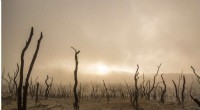
* Deserts: Low rainfall leads to sparse vegetation and specialized animals adapted to arid conditions.
* Savannas: Moderate rainfall supports grasslands with scattered trees and large herbivores.
Other Factors:
While rainfall is a crucial factor, it's important to note that other factors also contribute to the distribution of organisms:
* Temperature
* Sunlight
* Soil composition
* Altitude
* Human activity
Conclusion:
Rainfall is a significant determinant of the types of organisms that can thrive in an area. It influences water availability, soil quality, temperature, and the overall structure and function of ecosystems.