* Carbon Sinks: Trees absorb and store carbon dioxide (CO2) from the atmosphere through photosynthesis. This process converts CO2 into organic compounds like wood, leaves, and roots, effectively removing it from the atmosphere.
* Carbon Sequestration: Trees can store carbon for long periods, sometimes for hundreds of years, as long as they remain standing and healthy. This acts as a long-term sink for atmospheric CO2, helping to mitigate climate change.
* Carbon Storage: Even when trees die, the carbon they have stored can remain in the soil or decompose slowly, contributing to carbon sequestration in the long term.
* Regulating Atmospheric CO2: Forests act as natural regulators of atmospheric CO2 levels by absorbing CO2 during photosynthesis and releasing it during respiration. This helps maintain a balance in the carbon cycle.
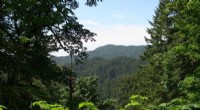
* Supporting Biodiversity: Forests provide habitat for a wide variety of plant and animal life, contributing to biodiversity and overall ecosystem health.
* Limited Capacity: While forests are important carbon sinks, their capacity to absorb CO2 is finite. Over time, forests can become saturated with carbon, making them less effective at absorbing more.
* Deforestation: When forests are cleared for agriculture, urbanization, or other land uses, the stored carbon is released back into the atmosphere, exacerbating climate change.
* Forest Fires: Wildfires can release significant amounts of carbon dioxide into the atmosphere, offsetting the carbon absorbed by trees.
* Decomposition: When trees die, they decompose and release carbon back into the atmosphere, though this release is usually much slower than from burning.
* Soil Carbon Loss: Certain land management practices, like intensive agriculture or poor forest management, can lead to the loss of carbon from the soil, reducing its capacity for carbon storage.
Trees play a crucial role in the carbon cycle, acting as important carbon sinks and contributing to climate change mitigation. However, they also have limitations and vulnerabilities. To maximize the benefits of forests for carbon sequestration, we need to focus on sustainable forest management practices, preventing deforestation, and promoting reforestation efforts. It's important to note that trees are not the only solution to climate change, and other strategies, like reducing fossil fuel use, are also essential.