1. Insects: Insects are the most diverse group of organisms on Earth, with over 1 million described species and many more still waiting to be discovered. They exhibit incredible diversity in morphology, habitat, and life history.
2. Bacteria: Bacteria are incredibly diverse in terms of their metabolic capabilities and ability to survive in extreme environments. They are also incredibly abundant, with trillions of bacteria living in and on our bodies alone.
3. Fungi: Fungi also boast a vast array of diversity, with over 100,000 described species and many more still waiting to be discovered. They play vital roles in ecosystems, from decomposing organic matter to forming symbiotic relationships with plants.
4. Plants: Plants are incredibly diverse in terms of their form, function, and evolutionary history. From towering trees to tiny mosses, plants occupy a wide range of habitats and play critical roles in global ecosystems.
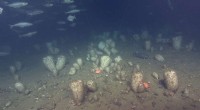
5. Marine life: The ocean is home to an astonishing diversity of life, with millions of species still waiting to be discovered. From microscopic plankton to giant whales, marine organisms exhibit a remarkable range of adaptations and ecological niches.
Ultimately, the answer to which form of life shows the greatest diversity depends on your definition of diversity. However, all of the above groups are incredibly diverse and play important roles in the biosphere.