Latitude:
* Solar Radiation and Temperature: Latitude determines the angle at which sunlight hits the Earth's surface.
* High latitudes (near the poles): Receive less direct sunlight, resulting in colder temperatures and shorter growing seasons. This leads to:
* Adaptations for cold: Thick fur, hibernation, migration, specialized body shapes for insulation.
* Limited biodiversity: Fewer species can tolerate extreme conditions.
* Low latitudes (near the equator): Receive more direct sunlight, leading to warmer temperatures and longer growing seasons. This supports:
* High biodiversity: A wide range of species adapted to tropical climates.
* Rapid decomposition: Warm temperatures promote fast organic matter breakdown.
* Precipitation Patterns: Latitude influences wind patterns and precipitation.
* Equatorial regions: Experience high rainfall due to rising warm air.
* Dry regions: Found at approximately 30° latitude due to descending dry air. This influences plant adaptations for water conservation (e.g., succulents, deep roots).
* Day Length and Seasonality: The angle of the sun affects day length and seasonality.
* High latitudes: Experience long days in summer and short days in winter.
* Low latitudes: Experience relatively consistent day length throughout the year. This influences plant flowering and animal breeding cycles.
Altitude:
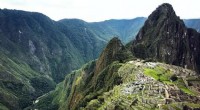
* Temperature and Pressure: As altitude increases, air pressure and temperature decrease.
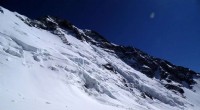
* Higher altitudes: Have colder temperatures, lower oxygen levels, and stronger winds.
* Lower altitudes: Have warmer temperatures and higher oxygen levels. These differences lead to adaptations for:
* Respiratory efficiency: Increased lung capacity and red blood cell production.
* Reduced surface area: Smaller body size and shorter limbs to conserve heat.
* Sunlight Intensity: Sunlight intensity decreases with altitude.
* Higher altitudes: Have higher UV radiation levels. Plants may develop thicker leaves to protect themselves.
* Plant Growth: Altitude influences plant growth and distribution.
* Alpine zones: Have dwarf shrubs and grasses adapted to harsh conditions.
* Lower altitudes: Support a wider range of plant communities.
Combined Effects:
Latitude and altitude often work together to create distinct biomes. For example:
* Tundra: Found at high latitudes and high altitudes, characterized by cold temperatures and permafrost.
* Tropical rainforest: Found at low latitudes and low altitudes, characterized by high rainfall and warm temperatures.
* Alpine grasslands: Found at high altitudes, characterized by cold temperatures, strong winds, and low oxygen levels.
In summary: Latitude and altitude are significant factors that shape the abiotic environment, influencing the adaptations of organisms and determining the distribution of biomes across the planet. Understanding their influence is crucial for comprehending the diversity of life and the complex relationships within ecosystems.