Here's why:
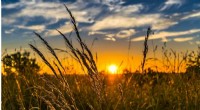
* Herbs and Shrubs: Temperate grasslands are characterized by a mix of grasses, wildflowers, and shrubs, with trees being sparse or absent.
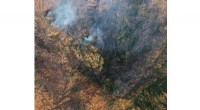
* Fire: Regular wildfires are a natural part of the ecosystem, clearing out dead vegetation and promoting the growth of fire-resistant grasses.
* Grazing: Herbivores, such as bison and pronghorn, play a crucial role in keeping the grasslands open by consuming grasses and preventing trees from establishing.
* Drought: Temperate grasslands are often subject to seasonal droughts, which favor grasses and other drought-tolerant plants.
* Freezing Temperatures: Many temperate grasslands experience cold winters with freezing temperatures. These conditions can limit tree growth and favor cold-hardy grasses.
Other ecosystems with similar characteristics:
While temperate grasslands are the most prominent example, other ecosystems can also share these characteristics, such as:
* Savannas: These grasslands are found in warmer regions and are characterized by scattered trees. Fire, grazing, and drought are also important factors in maintaining savannas.
* Mediterranean Woodlands and Shrublands: These ecosystems experience hot, dry summers and mild, wet winters. Fire, grazing, and drought are common, leading to a dominance of shrubs and small trees.
Therefore, the combination of herbs, shrubs, and the influence of fire, grazing, drought, or freezing temperatures strongly points to a temperate grassland ecosystem.