1. Disturbances:
* Type of disturbance: The nature of the disturbance (e.g., fire, flood, volcanic eruption, logging) can significantly impact the trajectory of succession. Some disturbances are more severe and create a complete reset of the environment, while others are more localized and less intense.
* Frequency and intensity: The frequency and intensity of disturbances influence the rate and direction of succession. Frequent, low-intensity disturbances may maintain a community in an early successional stage, while infrequent, high-intensity disturbances can reset succession to an earlier stage.
* Spatial scale: The extent of a disturbance can influence the rate and direction of succession. Large-scale disturbances may create opportunities for pioneer species to colonize a new area, while small-scale disturbances may have more localized effects.
2. Climate:
* Temperature: Temperature influences the growth rates and distribution of organisms, shaping the species composition of a community.
* Precipitation: The amount of rainfall affects the availability of water, which can influence the types of plants and animals that can survive in a particular area.
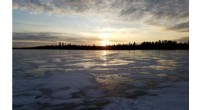
* Sunlight: The amount of sunlight available can influence the types of plants that can grow in an area, which in turn affects the types of animals that can live there.
3. Biotic Factors:
* Species interactions: Competition, predation, and mutualism can all influence the course of succession. For example, the presence of certain species can inhibit the growth of others, while the presence of other species can facilitate the growth of certain species.
* Seed dispersal: The ability of species to disperse their seeds to new locations can influence the rate and direction of succession.
* Herbivory and predation: Grazing by herbivores and predation by carnivores can influence the composition of plant and animal communities, respectively.
4. Soil Conditions:
* Nutrient availability: The abundance of nutrients in the soil can influence the types of plants that can grow in an area.
* Soil pH: Soil pH affects the availability of nutrients and can influence the types of plants and animals that can live in a particular area.
* Soil moisture: Soil moisture content influences the types of plants that can survive in a particular area.
5. Geographic Location:
* Latitude: Latitude affects the amount of sunlight and temperature, which can influence the types of species that can thrive in a region.
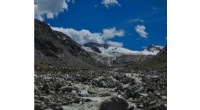
* Altitude: Altitude affects temperature and precipitation, which can influence the types of species that can survive at a particular elevation.
6. Human Activities:
* Land use: Human activities such as agriculture, urbanization, and forestry can significantly alter the course of succession.
* Pollution: Pollution can introduce toxins into the environment, affecting the growth and survival of species.
* Climate change: Climate change is altering the climate patterns around the world, which can affect the rate and direction of succession.
The interaction of these factors can create a complex and unpredictable system, making the study of ecological succession a fascinating and challenging area of research. Understanding the factors that affect ecological succession is crucial for managing and restoring ecosystems, as well as for understanding the impact of human activities on the natural world.