Water Conservation:
* Succulent stems: Opuntia have thick, fleshy stems that store large quantities of water. This allows them to survive long periods of drought.
* Reduced leaf surface: The leaves of opuntia are reduced to spines and glochids (tiny barbed hairs). This minimizes water loss through transpiration.
* Shallow root system: Their root system is shallow and extensive, allowing them to quickly absorb any available moisture from infrequent rainfall.
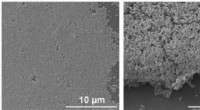
* Waxy cuticle: The surface of their stems is coated with a thick, waxy cuticle that prevents water loss through evaporation.
Defense Mechanisms:
* Spines and glochids: These sharp structures deter herbivores from eating them, providing protection from predation.
* Toxicity: Some species of opuntia produce toxic chemicals that can make them unpalatable to animals.
Reproduction:
* Fruit: Opuntia produce fleshy, colorful fruits that are dispersed by animals. This helps the plant to spread to new locations.
* Seeds: Their seeds can remain dormant for long periods, waiting for favorable conditions to germinate.
Other Adaptations:
* CAM photosynthesis: Opuntia plants use Crassulacean Acid Metabolism (CAM) photosynthesis, which allows them to open their stomata (pores) at night to absorb carbon dioxide and minimize water loss during the day.
* Tolerance to extreme temperatures: Opuntia can withstand both high temperatures and freezing temperatures, which is crucial for survival in desert environments.
These adaptations allow opuntia plants to thrive in the desert, even in the harshest conditions. They have evolved to become incredibly efficient at conserving water, defending themselves against predators, and reproducing successfully.