Here are some examples of pioneer species:
* Lichens: These organisms are a combination of fungi and algae. They can break down rock and create soil, making it possible for other plants to grow.
* Mosses: These small, non-vascular plants can survive in damp environments and are often among the first to colonize bare ground.
* Bacteria: These microscopic organisms play a crucial role in decomposition and nutrient cycling, making them essential for creating fertile soil.
* Fungi: Like bacteria, fungi are decomposers that break down organic matter, releasing nutrients into the environment.
* Certain types of grasses and weeds: These plants can quickly establish themselves in disturbed areas and help to stabilize the soil.
Factors that influence which species are the first to colonize an area after a disaster include:
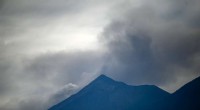
* Type of disaster: The specific type of disaster (fire, flood, volcanic eruption, etc.) will determine the severity of the environmental changes and the resources available for pioneer species.
* Climate: The climate of the region, including temperature, precipitation, and sunlight, will influence which species can survive.
* Soil conditions: The existing soil structure, pH, and nutrient content will play a role in determining which organisms can thrive.
* Availability of seeds and spores: The presence of seeds or spores of pioneer species in the surrounding environment will influence the speed and success of colonization.
The process of succession, where pioneer species are gradually replaced by other species over time, leads to the restoration of a diverse and stable ecosystem.