Aquatic Environments:
* Freshwater: Lakes, rivers, ponds, streams, and even puddles are teeming with unicellular organisms like algae, bacteria, protozoa, and amoeba.
* Marine: Oceans, seas, and saltwater estuaries are home to a vast diversity of unicellular life, including diatoms, phytoplankton, and many types of bacteria.
* Wetlands: Marshes, swamps, and bogs offer unique environments with varying levels of salinity, providing niches for various single-celled organisms.
Terrestrial Environments:
* Soil: Soil is a complex ecosystem with a vast array of unicellular organisms, including bacteria, fungi, and protozoa. They play crucial roles in decomposition and nutrient cycling.
* Air: While not their primary habitat, some unicellular organisms, like bacteria and fungal spores, can be found suspended in the air.
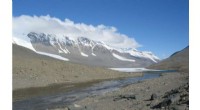
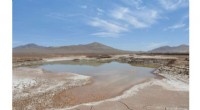
* Extreme Environments: Unicellular organisms have been discovered in extreme environments like hot springs, deep-sea hydrothermal vents, and even glaciers, showcasing their remarkable adaptability.
Inside other Organisms:
* Symbiotic Relationships: Some unicellular organisms live in symbiotic relationships with other organisms, often residing within their bodies. Examples include the bacteria in our gut, which help us digest food.
Important Note: The specific habitat of a unicellular organism depends on several factors, including:
* Temperature: Some thrive in extreme heat or cold.
* Salinity: The salt content of their environment can be crucial.
* Oxygen levels: Some require oxygen to survive, while others thrive in anaerobic conditions.
* Nutrients: The availability of nutrients like nitrogen and phosphorus can influence their growth and survival.
Overall, unicellular organisms are found in nearly every corner of our planet, demonstrating their remarkable resilience and adaptability. They are essential components of countless ecosystems, playing crucial roles in nutrient cycles, decomposition, and even human health.