Here's a breakdown:
* Ecological Succession: This is the process of change in the species structure of an ecological community over time. It's a gradual, directional process that occurs after a disturbance.
* Early Stages: Pioneer species, like lichens and mosses, are the first to colonize a barren area. These species are tolerant of harsh conditions and can break down rock, creating soil.
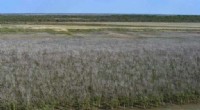
* Mid-Stages: As soil develops, grasses and shrubs begin to grow, providing shade and changing the environment further.
* Late Stages: Eventually, trees and other climax species become dominant. These species are well-adapted to the local environment and can persist for long periods.
Key Points about Species Composition:
* Gradual Change: Species composition shifts progressively as conditions change, with some species being replaced by others over time.
* Increased Complexity: The diversity of species usually increases during succession.
* Climax Community: The final, stable community that results from succession is called the climax community. It is often characterized by a high level of biodiversity and a strong interconnectedness among species.
Example:
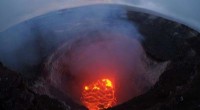
Imagine a volcanic eruption that leaves behind bare rock. Over time:
1. Pioneer species (lichens and mosses) colonize the rock.
2. Grasses and shrubs replace the pioneer species as soil accumulates.
3. Trees eventually take over, forming a forest.
This process of change in species composition is a key feature of ecological succession.