1. Grow towards light (positive phototropism):
* Photoreceptor pigments: Plants have specialized pigments called photoreceptors, most notably phytochromes and cryptochromes, which absorb different wavelengths of light.
* Hormonal signaling: When light hits the photoreceptors, it triggers the production and movement of plant hormones, primarily auxin. Auxin accumulates on the shaded side of the stem, promoting cell elongation and causing the stem to bend towards the light source.
* Growth regulation: Auxin also plays a role in regulating the growth of leaves and roots, ensuring they receive optimal light for photosynthesis.
2. Grow away from light (negative phototropism):
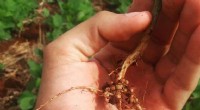
* Root growth: Roots typically grow away from light sources (negative phototropism) to ensure they reach water and nutrients in the soil. This response is also regulated by auxin, but the mechanism is different from that in stems.
3. Control flowering time (photoperiodism):
* Phytochromes: Phytochromes play a crucial role in determining flowering time. They detect the duration of light and dark periods, allowing plants to flower at the appropriate time of year.
* Short-day and long-day plants: Plants are classified as either short-day (flower in shorter days) or long-day (flower in longer days) depending on their photoperiodic response.
4. Adapt to light intensity:
* Chlorophyll production: Plants adjust the amount of chlorophyll they produce based on light intensity. In low light, they produce more chlorophyll to maximize light absorption. In high light, they can produce less to prevent damage.
* Leaf movement: Some plants can move their leaves to adjust their position in relation to the sun, maximizing light absorption or minimizing exposure to intense light.
5. Other responses:
* Seed germination: Some seeds require light to germinate, while others are inhibited by it.
* Pigment production: Plants produce pigments like anthocyanin to protect themselves from excess light or attract pollinators.
Overall, plant responses to light are highly sophisticated and essential for their survival and reproduction. They allow plants to optimize their growth, development, and resource allocation in different environments.