Ecological succession is the process of change in the species structure of an ecological community over time. It's like watching a movie where the characters and the scenery evolve, and the story unfolds as the environment changes.
Here's a breakdown:
The Fundamentals:
* Change is the constant: Succession is driven by the interactions between living organisms (biotic factors) and their non-living environment (abiotic factors).
* It's a gradual process: Changes occur in stages, with each stage leading to the next.
* It's about community evolution: Succession involves changes in the types and numbers of species present in a community, leading to a more stable and complex ecosystem.
Types of Succession:
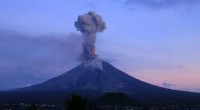
* Primary Succession: This happens in newly formed, bare environments like volcanic islands or glacial retreats. There's no existing soil, so the pioneer species (like lichens and mosses) must start the process by breaking down rock and creating soil.
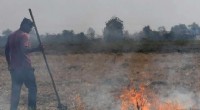
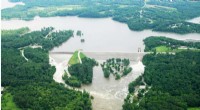
* Secondary Succession: This occurs in areas where a previous community has been disturbed (e.g., forest fire, flood, abandonment of farmland). Some soil and seeds remain, making the process faster than primary succession.
Stages of Succession:
1. Pioneer Stage: Hardy species, adapted to harsh conditions, dominate.
2. Intermediate Stage: More complex communities develop with increasing biodiversity and competition for resources.
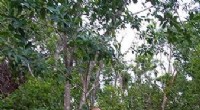
3. Climax Stage: A relatively stable community with a high level of biodiversity and complex interactions.
Factors Influencing Succession:
* Climate: Temperature, rainfall, and sunlight impact species survival and growth.
* Soil: Nutrient content and structure influence plant growth and overall community development.
* Disturbances: Events like fires, floods, or human activities can alter the course of succession.
Why is Ecological Succession Important?
* Ecosystem recovery: Succession helps rebuild damaged ecosystems and promotes resilience.
* Biodiversity: It increases species diversity and creates a rich tapestry of life.
* Habitat creation: Succession provides habitat for various organisms at different stages.
* Nutrient cycling: It plays a role in nutrient cycling, making resources available for future generations.
Understanding ecological succession is crucial for managing ecosystems, understanding environmental changes, and preserving biodiversity for future generations.