Light intensity, a crucial factor for life in any habitat, is influenced by a multitude of factors that interact in complex ways. These factors can be broadly categorized as:
1. Extrinsic Factors (External to the Habitat):
* Solar Radiation: The primary source of light on Earth.
* Latitude: Light intensity decreases with increasing latitude due to the angle at which sunlight strikes the Earth's surface.
* Season: The Earth's tilt causes variations in light intensity throughout the year, with longer days and stronger sunlight during summer.
* Time of Day: Light intensity changes throughout the day, peaking at noon and diminishing towards sunrise and sunset.
* Weather: Clouds, fog, and precipitation significantly reduce light intensity.
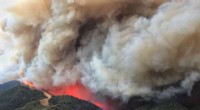
* Atmospheric Conditions: Dust, smoke, and other pollutants in the air can scatter and absorb sunlight, decreasing light intensity.
* Altitude: Light intensity is generally higher at higher altitudes due to less atmosphere to filter sunlight.
2. Intrinsic Factors (Within the Habitat):
* Canopy Cover: In forested areas, the density and type of trees significantly impact light intensity reaching the forest floor. Dense canopies create shade, leading to lower light levels.
* Vegetation Structure: Other plant structures, like shrubs and herbaceous plants, can also influence light intensity by casting shadows.
* Water Depth: Light intensity decreases rapidly with depth in aquatic habitats. Water absorbs and scatters light, reducing its penetration.
* Water Clarity: Turbid water (containing suspended particles) scatters light more effectively than clear water, leading to lower light intensity at depth.
* Terrain: The topography of the habitat can influence light intensity. Slopes facing the sun receive more direct sunlight, while shaded slopes receive less.
* Reflective Surfaces: Snow, ice, and water can reflect sunlight, increasing light intensity in nearby areas.
3. Biotic Factors (Living Organisms):
* Plant Growth: Dense plant growth can shade areas, reducing light intensity.
* Animal Activity: Animal activities, such as grazing, can alter vegetation structure and affect light penetration.
Understanding these factors is crucial for:
* Understanding plant and animal distribution: Different species have evolved specific adaptations to thrive in different light conditions.
* Predicting ecological changes: Changes in light intensity can have significant consequences for ecosystems, impacting plant growth, animal behavior, and overall ecosystem function.
* Developing conservation strategies: Protecting habitats and managing light regimes are essential for preserving biodiversity and ecosystem health.
Overall, light intensity is a dynamic and complex factor, influenced by a multitude of interacting elements. Understanding the interplay of these factors is critical for comprehending the ecological processes driving life in different habitats.