1. Habitat Destruction and Fragmentation:
* Deforestation: Clearing forests for agriculture, logging, and urbanization destroys habitats, disrupts biodiversity, and alters climate patterns.
* Urbanization: Expanding cities and infrastructure fragment habitats, isolating populations and reducing genetic diversity.
* Agriculture: Conversion of natural lands for agriculture leads to habitat loss and fragmentation, often through monoculture practices that decrease biodiversity.
2. Pollution:
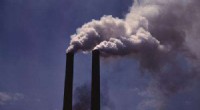
* Air Pollution: Emissions from factories, vehicles, and power plants contribute to smog, acid rain, and climate change, affecting air quality and harming ecosystems.
* Water Pollution: Industrial waste, agricultural runoff, and sewage discharge pollute water sources, impacting aquatic life and water quality.
* Plastic Pollution: Plastic waste accumulates in oceans and landfills, harming marine life and polluting soil and water.
3. Climate Change:
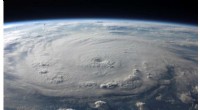
* Greenhouse Gas Emissions: Human activities, primarily burning fossil fuels, release greenhouse gases into the atmosphere, causing global warming and altering climate patterns.
* Sea Level Rise: Melting glaciers and thermal expansion of ocean water lead to rising sea levels, inundating coastal habitats and displacing species.
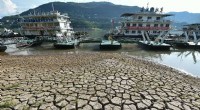
* Extreme Weather Events: Climate change intensifies extreme weather events like droughts, floods, and wildfires, causing significant damage to ecosystems.
4. Overexploitation:
* Overfishing: Depleting fish stocks beyond sustainable levels disrupts marine ecosystems and threatens food security.
* Overhunting: Excessive hunting and poaching can decimate populations and lead to extinction.
* Resource Extraction: Mining, drilling, and logging can degrade habitats and threaten biodiversity.
5. Invasive Species:
* Introduction of Non-Native Species: Human activities, such as transportation and trade, can introduce invasive species that outcompete native species, disrupt food webs, and cause ecological imbalances.
6. Biodiversity Loss:
* Extinction Rates: Human activities have accelerated extinction rates, driving many species to the brink of disappearance.
* Loss of Genetic Diversity: Habitat loss and fragmentation reduce genetic diversity within species, making them more vulnerable to disease and environmental changes.
Consequences of Human Impact on Ecosystems:
* Loss of Biodiversity: The decline in species and genetic diversity weakens ecosystems, making them less resilient to disturbances.
* Ecosystem Collapse: Degradation and destruction of ecosystems can lead to their complete collapse, impacting human well-being and disrupting essential services like pollination, water filtration, and climate regulation.
* Climate Change Impacts: Altered climate patterns exacerbate existing problems and create new challenges for ecosystems and human societies.
Solutions:
* Conservation and Restoration Efforts: Protecting remaining natural areas, restoring degraded ecosystems, and promoting sustainable practices are crucial for mitigating human impact.
* Sustainable Practices: Embracing environmentally friendly technologies, reducing consumption, and adopting sustainable farming and fishing practices can lessen the burden on ecosystems.
* Policy and Regulation: Effective laws and regulations are needed to address pollution, overexploitation, and habitat destruction.
* Education and Awareness: Raising awareness about the importance of ecosystems and the consequences of human activities is essential for fostering change.
It's crucial to recognize that humans are part of ecosystems and not separate from them. By understanding our impact and implementing sustainable solutions, we can work towards a more harmonious relationship with the natural world.