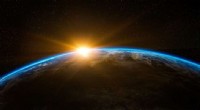
* Energy: While energy flows through ecosystems, it's not recycled in the same way as matter. Energy enters as sunlight, is captured by plants, and is then passed through food chains. However, some energy is lost as heat at each transfer, and ultimately escapes into space.
* Fossil fuels: Fossil fuels, such as oil and coal, are formed over millions of years from the remains of ancient organisms. While they are ultimately derived from Earth's resources, their formation and use represent a very slow and non-cyclical process.
* Extraterrestrial objects: Meteors and other objects from space are not part of Earth's natural cycles and are only occasionally added to the planet.
* Artificial substances: Humans create many substances not naturally found on Earth, such as plastics and some chemicals. These substances may not be easily broken down and can accumulate in the environment, disrupting natural cycles.
To clarify:
* Even fossil fuels and artificial substances are ultimately composed of matter, so they are part of the Earth's system.
* However, their cycles are significantly different from the rapid and continuous cycles of essential nutrients like carbon, nitrogen, and water.
It's crucial to understand that the Earth's ecosystem is a complex and interconnected web of cycles. Even though something may not cycle in a straightforward way, it still has a significant impact on the planet and its inhabitants.