Positive Impacts:
* Conservation and Restoration: Humans can actively protect and restore damaged ecosystems through conservation efforts like national parks, reforestation projects, and species preservation programs.
* Sustainable Agriculture: Practices like organic farming, agroforestry, and permaculture can minimize negative impacts and promote biodiversity.
* Renewable Energy: Transitioning to renewable energy sources like solar and wind can reduce pollution and habitat destruction associated with fossil fuels.
Negative Impacts:
1. Habitat Loss and Fragmentation:
* Deforestation: Clearing land for agriculture, logging, and urbanization destroys habitats and disrupts ecosystems.
* Urbanization: Sprawl consumes natural areas, isolating species and reducing biodiversity.
* Infrastructure Projects: Roads, dams, and pipelines fragment habitats, preventing species movement and interaction.
2. Pollution:
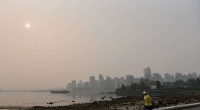
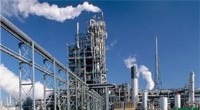
* Air Pollution: Burning fossil fuels releases greenhouse gases, contributing to climate change and acid rain.
* Water Pollution: Industrial and agricultural runoff pollutes rivers, lakes, and oceans, harming aquatic life.
* Plastic Pollution: Plastic waste contaminates environments, harming wildlife and ecosystems.
3. Climate Change:
* Greenhouse Gas Emissions: Human activities, primarily burning fossil fuels, release excessive greenhouse gases into the atmosphere, causing global warming and altering climate patterns.
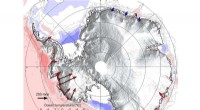
* Sea Level Rise: Melting glaciers and ice sheets contribute to rising sea levels, inundating coastal areas and damaging ecosystems.
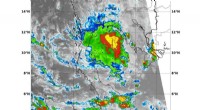
* Extreme Weather Events: Climate change intensifies storms, droughts, and heat waves, impacting biodiversity and ecosystem stability.
4. Invasive Species:
* Accidental Introduction: Species introduced unintentionally through trade, travel, or other means can disrupt native ecosystems and outcompete native species.
* Intentional Introduction: Species introduced for agriculture, pest control, or other purposes can also become invasive and disrupt the balance of ecosystems.
5. Overexploitation:
* Overfishing: Excessive fishing practices can deplete fish stocks and disrupt marine ecosystems.
* Overhunting: Excessive hunting and poaching can drive species to extinction.
* Resource Extraction: Overharvesting of timber, minerals, and other resources can damage ecosystems and lead to soil erosion and habitat loss.
Consequences:
* Loss of Biodiversity: Human impacts can lead to species extinction, reducing the variety of life on Earth and diminishing ecosystem services.
* Ecosystem Instability: Disruptions to natural processes can lead to imbalances in ecosystems, making them more vulnerable to diseases, invasive species, and extreme events.
* Impact on Human Well-being: Ecosystem services, such as clean air and water, pollination, and climate regulation, are essential for human well-being. Their degradation can have significant consequences for human health, food security, and economic stability.
Addressing the Impacts:
* Sustainable Practices: Implementing sustainable practices in agriculture, forestry, and other industries can minimize negative impacts and protect ecosystems.
* Conservation Efforts: Investing in conservation and restoration projects, including protected areas, reforestation, and species preservation programs, can help mitigate human impacts.
* Policy and Regulation: Governments can enact policies and regulations to control pollution, promote sustainable development, and protect endangered species.
* Public Awareness and Education: Raising awareness about human impacts and promoting environmentally responsible behavior is crucial to change attitudes and encourage action.
By understanding the complex interplay between humans and ecosystems, we can work towards a more sustainable future that preserves biodiversity and ensures the health of our planet.