Here's a breakdown of key aspects:
Types of Succession:
* Primary Succession: This occurs in areas where no previous life existed, like bare rock after a volcanic eruption. It starts with pioneer species (like lichens and mosses) that can survive harsh conditions. Over time, soil forms, and more complex plant and animal communities develop.
* Secondary Succession: This happens in areas where a previous community was disturbed, but some soil and organisms remain. For example, a forest fire, flood, or abandoned farmland can trigger secondary succession. The process is faster than primary succession because soil and some species are already present.
Key Characteristics of Gradual Change:
* Directionality: Succession generally progresses towards a more complex and stable community, often called a climax community.
* Predictability: While the specific path of succession can vary, the general stages of change are fairly predictable.
* Interdependence: Changes in one species can impact other species, leading to further changes in the ecosystem.
* Dynamic equilibrium: Even in a climax community, there are still minor fluctuations and changes over time.
Examples of Gradual Change:
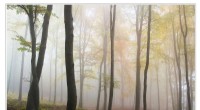
* Forest succession: A cleared field might be colonized by grasses, followed by shrubs, and eventually trees.
* Dune succession: Sand dunes can gradually stabilize as plants start to grow, creating a habitat for other organisms.
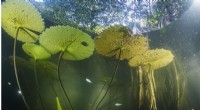
* Lake succession: Over time, lakes can fill with sediment and become wetlands, eventually turning into meadows or forests.
Factors Influencing Succession:
* Climate: Temperature, rainfall, and other climatic factors play a major role in determining the type of community that develops.
* Soil: The composition and fertility of soil influence plant growth and therefore the entire ecosystem.
* Disturbances: Events like fires, floods, or human activity can disrupt succession and initiate a new cycle of change.
Understanding ecological succession is crucial for managing ecosystems, restoring degraded habitats, and predicting how ecosystems might respond to changing conditions.