* Abiotic environment: This refers to the non-living factors that influence a plant's growth and survival. Examples include:
* Sunlight: Plants need sunlight for photosynthesis.
* Temperature: Plants have optimal temperature ranges for growth.
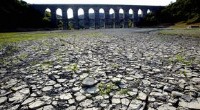
* Water: Water is essential for all plant processes.
* Nutrients: Plants need nutrients from the soil for healthy growth.
* Air: Plants need carbon dioxide from the air for photosynthesis.
* Soil composition: Different soil types provide different levels of nutrients and water retention.
* Biotic environment: This refers to the living factors that interact with the plant. Examples include:
* Other plants: Plants compete for resources like sunlight, water, and nutrients.
* Animals: Animals can eat plants, pollinate them, spread their seeds, or damage them.
* Microorganisms: Bacteria and fungi in the soil can help plants obtain nutrients, but some can also cause disease.
It's important to remember that these two categories are not completely separate. For example, the amount of sunlight a plant receives (abiotic factor) can affect the types of insects that visit it (biotic factor).