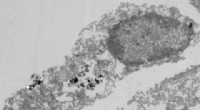
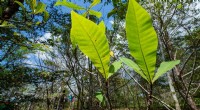
* The Amazonian Tree Boa (Corallus ruschenbergerii) and the Amazon Milk Frog (Trachycephalus resinifictrix): The Amazon Milk Frog lays its eggs on the leaves of trees. The Tree Boa will sometimes coil around the leaves and eat the eggs, but it often doesn't. Instead, the frog's eggs are often parasitized by a fly larvae that feeds on the eggs. This is beneficial for the fly, which gets a meal and a place to lay its own eggs, but it is detrimental to the frog, as it reduces the number of offspring that can survive.
* The Amazon River Dolphin (Inia geoffrensis) and the Amazonian Lung Fluke (Paragonimus kellicotti): The Amazon River Dolphin is a fascinating creature that lives in the murky waters of the Amazon River. It can be parasitized by the Amazonian Lung Fluke, which lives in the dolphin's lungs. The fluke lays its eggs in the dolphin's lungs, and the eggs then travel through the dolphin's bloodstream to the dolphin's digestive system. The eggs are then released in the dolphin's feces, and the cycle continues. This is harmful to the dolphin because it can cause respiratory problems and even death.
These are just two examples of the many parasitic relationships that exist in the rainforest. Parasitism is a common occurrence in nature, and it plays a vital role in the rainforest ecosystem.