Positive Influences:
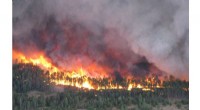
* Fire Management: Many savanna ecosystems evolved with regular, low-intensity fires. Indigenous peoples have traditionally used controlled burns to manage vegetation, clear areas for agriculture, and encourage the growth of desirable plant species. This practice helps maintain the open structure of savannas and prevents large, destructive wildfires.
* Conservation Efforts: Recognizing the importance of savannas, conservationists are working to protect these ecosystems from habitat loss and fragmentation. This includes establishing national parks, promoting sustainable land management practices, and researching ways to better understand and manage savanna ecosystems.
* Ecotourism: Savannas are popular tourist destinations, attracting visitors to experience their unique wildlife and landscapes. Ecotourism can provide economic benefits to local communities and incentivize conservation efforts.
Negative Influences:
* Habitat Loss and Fragmentation: Expansion of agriculture, livestock grazing, and urbanization are leading to significant habitat loss and fragmentation in savannas. This disrupts wildlife movement, reduces genetic diversity, and makes ecosystems more vulnerable to disturbance.
* Overgrazing: Excessive livestock grazing can degrade vegetation, compact soil, and lead to desertification. This impacts the ability of the savanna to support a diverse range of species.
* Introduced Species: The introduction of non-native species, such as invasive plants and animals, can disrupt the delicate balance of savanna ecosystems. These species can outcompete native species, spread diseases, and alter the structure of the ecosystem.
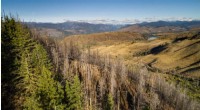
* Climate Change: Rising temperatures and changes in rainfall patterns are altering the structure and function of savannas. Increased droughts and wildfires can lead to shifts in vegetation, loss of biodiversity, and altered carbon cycling.
* Hunting and Poaching: Illegal hunting and poaching threaten savanna wildlife populations, particularly large mammals like elephants and lions. This loss of apex predators can have cascading effects throughout the ecosystem.
In Conclusion:
Humans have had a long and complex relationship with savannas. While we have played a role in maintaining some aspects of these ecosystems, our actions have also had significant negative impacts. Addressing the challenges of habitat loss, overgrazing, invasive species, and climate change is crucial for the future of savannas and the biodiversity they support.