1. Human Population Growth and Land Use:
* Habitat Conversion: Forests, grasslands, wetlands, and other natural environments are cleared for agriculture, urban development, infrastructure, and logging. This directly replaces animal habitats.
* Intensification of Agriculture: More efficient farming practices often involve larger monoculture fields, reducing biodiversity and habitat for animals that rely on diverse ecosystems.
* Urbanization: Cities and towns expand, fragmenting natural areas and limiting connectivity for animals.
2. Climate Change:
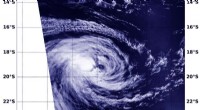
* Shifting Climates: Climate change alters temperature, precipitation patterns, and seasons, impacting ecosystems and forcing animals to adapt or migrate. This can lead to range shifts, habitat loss, and extinction.
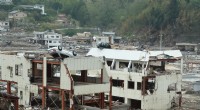
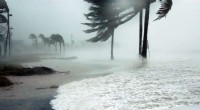
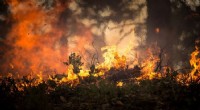
* Extreme Weather Events: Flooding, droughts, and wildfires become more frequent and severe, destroying habitats and displacing animals.
3. Pollution:
* Air and Water Pollution: Pollution from industrial activities, transportation, and agriculture can contaminate air and water, harming animals and their habitats.
* Plastic Pollution: Plastic debris can choke, entangle, and poison animals, harming populations and ecosystems.
4. Invasive Species:
* Competition and Predation: Invasive species introduced by humans can outcompete native species, disrupt food chains, and decimate animal populations.
5. Overexploitation:
* Hunting and Fishing: Overhunting and overfishing can deplete animal populations, reducing their numbers and impacting their ability to maintain healthy habitats.
* Trade in Wildlife: The illegal trade in wildlife products (such as ivory, fur, and bushmeat) can lead to significant population declines and habitat loss.
6. Disease:
* Spread of Disease: Human activities, such as deforestation and wildlife trade, can increase the spread of diseases, affecting animal populations and their habitats.
7. Fragmentation:
* Habitat Loss: Roads, fences, and other human-made barriers can fragment habitats, separating populations and limiting their ability to reproduce and find resources.
These factors are interconnected, and addressing one without tackling the others can be ineffective. The consequences of habitat loss are severe, including:
* Decreased Biodiversity: The loss of species and ecosystems leads to a decline in biodiversity, which is essential for healthy ecosystems and human well-being.
* Ecosystem Services Decline: Habitats provide crucial services like pollination, water purification, and carbon sequestration. Habitat loss disrupts these processes.
* Economic Impacts: The decline of wildlife and natural resources can have negative economic impacts on tourism, fishing, and agriculture.
It's important to note that efforts to protect and restore animal habitats are crucial for addressing these challenges and ensuring a healthy planet for future generations.