1. By Scale:
* Individual ecology: Focuses on the interactions of individual organisms with their environment.
* Population ecology: Studies the dynamics of populations of a single species.
* Community ecology: Examines the interactions between different species in a given area.
* Ecosystem ecology: Investigates the interactions between living organisms and their physical environment.
* Landscape ecology: Studies how spatial patterns influence ecological processes across larger landscapes.
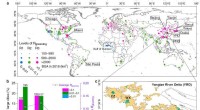
* Global ecology: Focuses on the interactions of ecosystems across the entire planet.
2. By Focus:
* Behavioral ecology: Studies how animal behavior is influenced by ecological factors.
* Conservation ecology: Applies ecological principles to protect and manage endangered species and ecosystems.
* Restoration ecology: Aims to restore degraded ecosystems to their former state.
* Evolutionary ecology: Investigates the evolutionary origins of ecological patterns.
* Physiological ecology: Examines how organisms adapt to their environment at the physiological level.
* Molecular ecology: Uses molecular tools to study ecological processes.
3. By Habitat:
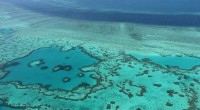
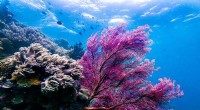
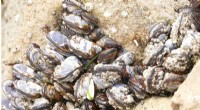
* Marine ecology: Focuses on marine environments.
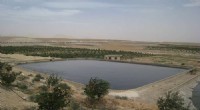
* Freshwater ecology: Studies freshwater ecosystems like lakes, rivers, and wetlands.
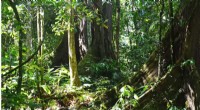
* Terrestrial ecology: Examines terrestrial environments like forests, grasslands, and deserts.
Beyond these categories:
* Applied ecology: Uses ecological principles to solve practical problems.
* Theoretical ecology: Develops mathematical models to understand ecological processes.
Ultimately, the "types" of ecology are not rigid categories but rather overlapping areas of study within a vast and interconnected field.
Therefore, it's impossible to provide a single number of "types" of ecology. The best way to approach this is to understand the different levels of organization, areas of focus, and habitats that ecologists study.