1. Temperature and Climate:
* Direct Sunlight: The amount of direct sunlight a biome receives directly influences its temperature. Biomes closer to the equator receive more direct sunlight, leading to warmer temperatures.
* Seasonal Variation: The angle of the sun's rays changes throughout the year, leading to seasonal variations in temperature. This is more pronounced in higher latitudes.
* Evaporation: Solar radiation drives evaporation, influencing precipitation patterns and humidity levels.
2. Photosynthesis and Productivity:
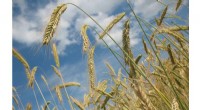
* Plant Growth: Sunlight is the primary energy source for photosynthesis, the process by which plants convert sunlight into energy. The amount of sunlight determines how much plant life can thrive in a biome.
* Primary Productivity: The rate of photosynthesis determines the primary productivity of a biome, which is the amount of organic matter produced by plants. High sunlight levels lead to high productivity.
* Food Webs: Primary productivity fuels entire food webs. A biome's food web complexity and diversity are often linked to its sunlight levels.
3. Specific Adaptations:
* Plant Adaptations: Plants in different biomes have evolved specific adaptations to optimize their use of sunlight. Examples include:
* Cacti: Have spines and thick stems for water storage, reducing water loss in hot, sunny deserts.
* Tropical Rainforest Trees: Have broad leaves for capturing maximum sunlight in a dense canopy.
* Animal Adaptations: Animals also adapt to the amount of sunlight in their biome. This includes:
* Nocturnal Animals: May be active at night to avoid the heat and intense sunlight.
* Desert Animals: Often have light-colored fur to reflect sunlight and reduce heat absorption.
4. Biome Types:
* Tropical Rainforests: Receive abundant sunlight year-round, leading to high temperatures, high rainfall, and lush vegetation.
* Deserts: Experience high temperatures, low rainfall, and limited vegetation due to low sunlight levels and high evaporation.
* Tundra: Receive limited sunlight due to high latitudes, resulting in cold temperatures, low precipitation, and sparse vegetation.
In Summary:
Sunshine is a critical driver of biome characteristics. It influences temperature, precipitation, plant and animal adaptations, and overall ecosystem productivity. The amount of sunlight received in a biome, along with other factors like latitude, altitude, and proximity to water, determines the unique features and biodiversity of each biome.