1. Primary Productivity:
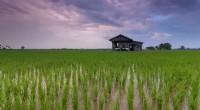
* Plants use sunlight to convert carbon dioxide and water into glucose (sugar) and oxygen through photosynthesis. This process is known as primary production, forming the foundation of all food webs.
* Without sunlight, plants could not produce the energy needed to grow and survive, and the entire ecosystem would collapse.
2. Food Chain and Energy Flow:
* Herbivores eat plants, obtaining the energy stored in their tissues.
* Carnivores then consume herbivores, and so on, creating a flow of energy throughout the ecosystem.
* Ultimately, all energy in a terrestrial ecosystem originates from the sun, making it the primary source of life.
3. Temperature Regulation:
* Sunlight provides heat, influencing the temperature of the environment.
* This temperature is crucial for the survival of organisms, with different species adapted to specific temperature ranges.
* Even variations in sunlight intensity, like seasonal changes, significantly impact ecosystem dynamics.
4. Water Cycle:
* Evaporation is driven by solar energy, leading to the formation of clouds and precipitation.
* This water is essential for plant growth, animal survival, and overall ecosystem functioning.
5. Nutrient Cycling:
* Sunlight influences the rate of decomposition of organic matter, which releases nutrients back into the soil.
* These nutrients are then taken up by plants, completing the nutrient cycle and supporting the overall ecosystem.
In conclusion, sunlight's role is crucial for life on Earth. It provides energy, regulates temperature, drives the water cycle, and influences nutrient cycling, making it a fundamental abiotic factor in all terrestrial ecosystems.