Physical Environment:
* Sunlight: Provides energy for plants, which form the base of the food chain.
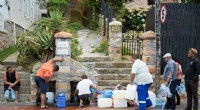
* Water: Essential for all living things, including zebras.
* Soil: Provides nutrients for plants and supports the ecosystem.
* Rocks and Mountains: Shape the landscape and provide shelter.
* Air: Contains oxygen for respiration and carbon dioxide for photosynthesis.
* Temperature: Influences plant growth and animal activity.
* Climate: Determines overall weather patterns.
Other Non-Living Components:
* Grass: While grass is a living organism, its dead matter (like dry blades) is considered non-living.
* Dirt: A mixture of soil and decaying matter.
* Bones: The skeletal remains of animals.
* Dung: Waste produced by animals.
* Fire: A natural force that can influence the ecosystem.
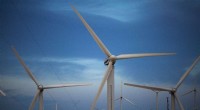
* Wind: Can influence weather patterns and disperse seeds.
It's important to remember: The boundaries between living and non-living can be blurry. For example, a rock is clearly non-living, but its presence can influence the environment and therefore the lives of zebras.