Here's a breakdown:
Temperature:
* Tropical: High average temperatures year-round, minimal seasonal variation.
* Temperate: Moderate average temperatures with distinct seasons.
* Polar: Low average temperatures, long winters, and short, cool summers.
Precipitation:
* Arid: Low precipitation throughout the year.
* Semi-arid: Moderate precipitation with periods of drought.
* Humid: High precipitation throughout the year.
Specific Biomes:
* Tropical Rainforest: High temperatures, high humidity, and abundant rainfall throughout the year.
* Savanna: Warm temperatures year-round, distinct wet and dry seasons, and moderate rainfall.
* Temperate Deciduous Forest: Moderate temperatures with distinct seasons, adequate rainfall.
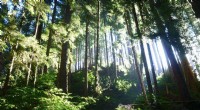
* Taiga: Long, cold winters and short, cool summers, moderate rainfall.
* Tundra: Very cold temperatures, low precipitation, and permafrost (permanently frozen ground).
* Desert: Very low precipitation, extreme temperature variations between day and night.
Key Points:
* Climate is a key factor in determining which biome exists in a given area.
* Different biomes can have similar climates, but their specific characteristics and adaptations of plants and animals will differ.
* Climate change is impacting the distribution and characteristics of biomes.
It's essential to understand that the relationship between climate and biomes is complex and influenced by many other factors, including:
* Latitude and altitude
* Proximity to oceans and mountains
* Soil type and nutrient availability
* Fire frequency
To learn more about the climate of specific biomes, you can research them individually. Remember, climate is just one piece of the puzzle that defines a biome!