Plants provide for animals:
* Food: Plants are the primary producers in most ecosystems, using sunlight to create energy through photosynthesis. Animals rely on plants for food, either directly by consuming them or indirectly by consuming other animals that have eaten plants.
* Oxygen: Plants release oxygen as a byproduct of photosynthesis, which is essential for animal respiration. Without plants, animals would quickly suffocate.
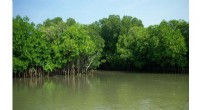
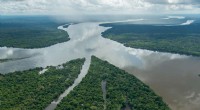
* Shelter: Plants provide shelter for animals in various forms, from dense forests to grasslands to the shade of a single tree. This protection is essential for animals to escape predators, raise their young, and find refuge from harsh weather conditions.
* Medicine: Many plants produce chemicals that have medicinal properties. Animals have evolved to use these plants to treat ailments or even prevent diseases. Some animals even self-medicate, choosing specific plants to relieve pain or fight infections.
Animals provide for plants:
* Pollination: Animals, particularly insects like bees and butterflies, are crucial for plant reproduction. They transfer pollen between flowers, enabling fertilization and the creation of seeds and fruits.
* Seed dispersal: Many animals, such as birds and mammals, eat fruits and seeds. They then disperse these seeds through their droppings, effectively planting new plants in different locations.
* Nutrient cycling: Animals play a role in nutrient cycling by consuming plants and decomposing organic matter. This process returns essential nutrients back to the soil, which plants need to grow.
* Pest control: Some animals, like insects and birds, prey on pests that can damage plants. This helps to maintain plant health and biodiversity.
Examples of specific relationships:
* Bees and flowers: Bees are essential for the pollination of many flowering plants, ensuring their reproduction and survival.
* Herbivores and grasslands: Herbivores, such as zebras and elephants, graze on grasslands, helping to maintain the ecosystem by controlling plant growth and creating habitats for other animals.
* Birds and trees: Birds use trees for nesting, shelter, and food. In turn, they help to disperse seeds and control insect populations.
The interdependence of plants and animals highlights the interconnectedness of all living things. Their relationship is a delicate balance, and disruptions to one can have significant impacts on the other. For example, deforestation can lead to habitat loss for animals, while the decline of pollinators can negatively affect plant reproduction. It is crucial to understand and protect this vital interrelationship for the health and sustainability of our planet.