1. Individual (Organism): This is the most basic level. It refers to a single living being, such as a tree, a deer, or a bacterium.
2. Population: A group of individuals of the same species living in the same area and interacting with each other. Examples include a population of red squirrels in a forest or a population of dandelions in a field.
3. Community: A collection of different populations of plants and animals living in the same area and interacting with each other. This includes all the living organisms in a specific area, such as a forest community or a coral reef community.
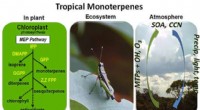
4. Ecosystem: A community of organisms interacting with their physical environment. This includes all the living organisms in a specific area along with the non-living components like air, water, soil, and sunlight. Examples: a desert ecosystem, a lake ecosystem, a rainforest ecosystem.
5. Biome: A large-scale collection of similar ecosystems that share similar climate and vegetation patterns. Examples include tundra, desert, temperate forest, grassland, and tropical rainforest.
6. Biosphere: The sum of all ecosystems on Earth. It's the zone of life on Earth, encompassing all living organisms and their interactions within the atmosphere, hydrosphere, and lithosphere.
Here's a simple analogy:
* Imagine a single drop of water (individual).
* Many drops of water make up a puddle (population).
* Different puddles come together to form a pond (community).
* The pond, along with the plants, animals, and surrounding soil and air, make up a pond ecosystem.
* Many ponds and similar ecosystems make up a wetland biome.
* All the biomes together make up the biosphere - our planet's entire living system.