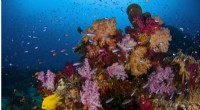
Organisms:
* Living: Organisms are made up of cells, the basic unit of life. They exhibit characteristics of life, such as growth, reproduction, metabolism, response to stimuli, and adaptation.
* Organized: Organisms have a complex internal structure, with specialized cells and tissues working together.
* Dynamic: Organisms are constantly changing and adapting to their environment. They require energy and nutrients to sustain life.
* Evolve: Over generations, organisms can change through evolution to better suit their environment.
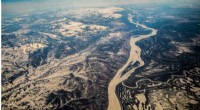
Rocks:
* Non-living: Rocks are composed of minerals, which are inorganic materials. They do not possess the characteristics of life.
* Inert: Rocks are generally static and do not exhibit growth, reproduction, or movement on their own.
* Abiotic: Rocks are part of the non-living components of the Earth's environment.
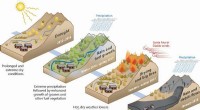
* Change over geological time: Rocks are formed through geological processes and can change over millions of years, but this is a gradual process without the active response or adaptation seen in living organisms.
Here's a simple way to remember the difference:
* Organisms are ALIVE, they grow, reproduce, and adapt.
* Rocks are NON-LIVING, they are part of the Earth's environment and change over very long periods.
Of course, there are some exceptions. Some rocks can contain fossilized remains of organisms, which were once alive, but are now part of the rock's structure. However, these fossilized remains are no longer considered living organisms.