1. Primary Succession: This occurs in areas where there is no previous soil or life. It's a slow process, starting with the colonization of bare rock, sand, or volcanic ash.
Examples:
* Volcanic eruptions: Lava flows create new land, which is then colonized by pioneer species.
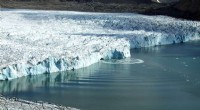
* Glacier retreat: Glaciers carve out valleys, leaving behind bare rock that is gradually colonized by plants and animals.
2. Secondary Succession: This occurs in areas where a disturbance has removed the previous community, but soil remains. It's faster than primary succession because soil and nutrients are already present.
Examples:
* Forest fires: Wildfires destroy existing vegetation but leave the soil intact.
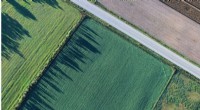
* Abandonment of farmland: When farmland is no longer used, it can be colonized by plants and animals.
* Flooding: Floods can remove existing vegetation but leave the soil intact.
Both primary and secondary succession lead to the development of a climax community, which is a stable, mature ecosystem.