1. Physical Environment:
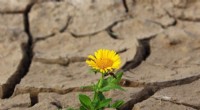
* Climate: Temperature, humidity, rainfall, and sunlight patterns influence an organism's activity levels, breeding cycles, and even physical adaptations. For example, animals in cold climates hibernate during winter.
* Terrain: The landscape, including mountains, forests, and water bodies, dictates where organisms live, how they move, and the types of resources they access.
* Resources: The availability of food, water, and shelter shapes foraging strategies, competition, and migration patterns. For example, animals will migrate to areas with more abundant food resources.
2. Biological Environment:
* Predators and Prey: The presence of predators forces prey animals to develop defensive behaviors like camouflage, speed, and vigilance. Predators, in turn, develop hunting strategies like stealth and cooperative hunting.
* Competition: Organisms compete for resources, influencing their feeding behaviors, territoriality, and social interactions.
* Symbiotic Relationships: Interactions like mutualism, commensalism, and parasitism influence the behavior of participating organisms. For instance, bees pollinate flowers, benefiting from nectar and pollen, while also contributing to plant reproduction.
3. Social Environment:
* Social Structure: Living in groups provides advantages like increased vigilance, cooperative hunting, and resource sharing. Social structures, such as dominance hierarchies and communication systems, are influenced by the environment.
* Social Interactions: The interactions within a group, including mating rituals, aggression, and communication, are shaped by environmental factors like resource scarcity and predator pressure.
Examples:
* Birds: Migratory birds adjust their timing and routes based on changes in food availability, temperature, and predator presence.
* Insects: Ants and bees exhibit complex social structures, with individuals specializing in different roles based on factors like colony size and food availability.
* Fish: Fish use various strategies to avoid predators, including schooling, camouflage, and hiding in specific habitats.
Key Concepts:
* Adaptation: Organisms adapt to their environment over time through natural selection, which favors traits that increase survival and reproduction.
* Behavioral Plasticity: Some organisms can adjust their behavior in response to changes in the environment, allowing them to survive in different conditions.
* Ethology: The study of animal behavior, explores the complex interactions between organisms and their environment.
Conclusion:
The environment is a powerful driver of behavior, shaping the survival, reproduction, and evolution of organisms. Understanding these interactions is crucial for conservation efforts, as well as for understanding the intricate web of life on Earth.