* Tundra: Characterized by extremely cold temperatures and permafrost. Snowfall is heavy and persistent throughout the winter, covering the ground for a significant portion of the year.
* Boreal Forest (Taiga): Known for its coniferous trees and long, cold winters. Snowfall is abundant, and the snowpack can remain on the ground for months.
* Temperate Deciduous Forest: Experiences four distinct seasons, including a cold winter with significant snowfall. The amount of snowfall varies depending on location, but generally falls in the range of 30-60 inches per year.
* Temperate Grassland: This biome is generally characterized by a lack of trees. While snowfall is not as heavy as in forested biomes, it still occurs during the winter months.
* Mountain Biomes: Mountains often experience significant snowfall, with the amount increasing with elevation. Even if the base of the mountain is in a warmer biome, the higher reaches can have a distinctly tundra-like climate.
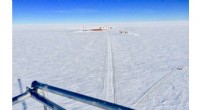
* Polar Biomes: The Arctic and Antarctic are characterized by extremely cold temperatures and persistent snow and ice cover.
Important Note: While the biomes listed above experience snowfall, the amount and frequency can vary widely within each biome. Climate change is also impacting snowfall patterns globally.