1. Interdependence and Food Webs:
* Predator-Prey Relationships: A balanced ecosystem ensures that predators have enough prey to survive, while prey populations are not decimated. This creates a delicate balance that allows for sustainable populations of both.
* Competition: Different species compete for resources like food, water, and space. Balance prevents one species from dominating and driving others to extinction, maintaining biodiversity.
* Symbiosis: Many species rely on each other for survival (e.g., pollinators and flowering plants). Balance ensures that these symbiotic relationships thrive.
2. Nutrient Cycling:
* Producers, Consumers, Decomposers: Balance ensures that producers (plants) can efficiently convert sunlight into energy, consumers (animals) have sufficient food, and decomposers (bacteria and fungi) break down waste and dead organisms, returning nutrients to the soil.
* Nutrient Availability: An imbalance can lead to nutrient depletion in the soil, affecting plant growth and impacting the entire food chain.
3. Habitat Stability:
* Climate Regulation: Healthy ecosystems play a vital role in regulating local and global climates. Balance ensures that trees, forests, and other vegetation are present to absorb carbon dioxide, preventing excessive warming.
* Water Cycle: Ecosystems influence water cycles by storing and releasing water, impacting rainfall patterns and water availability for all organisms.
* Erosion Control: Vegetation helps prevent soil erosion, which is essential for maintaining healthy ecosystems and preventing habitat degradation.
4. Resilience to Change:
* Adaptation: Balanced ecosystems are more adaptable to environmental changes. A diverse range of species allows for greater flexibility in responding to challenges like disease outbreaks or climate shifts.
* Recovery: A balanced ecosystem is better equipped to recover from disturbances like wildfires or floods. The interconnectedness of species helps them to rebuild populations more quickly.
5. Human Well-being:
* Food and Water Security: Balanced ecosystems provide us with essential food and water resources.
* Clean Air and Water: Healthy ecosystems filter air and water, providing us with clean environments to live in.
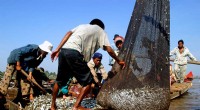
* Economic Benefits: Healthy ecosystems support tourism, fishing, forestry, and other industries that contribute to our economies.
Examples of Imbalance:
* Invasive Species: When a new species is introduced and outcompetes native species, it can disrupt the balance of an ecosystem.
* Pollution: Pollution can poison organisms, contaminate water sources, and disrupt nutrient cycles, leading to imbalances.
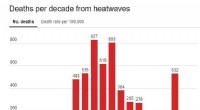
* Climate Change: Climate change can disrupt ecosystems by altering temperature, rainfall patterns, and habitat conditions.
In Conclusion:
Balance in an ecosystem is not a static state but a dynamic process. It requires constant interaction and adaptation between organisms and their environment. Maintaining this balance is crucial for ensuring the long-term health and sustainability of our planet.