1. Terrestrial Ecosystems: These are land-based ecosystems.
* Forests: Characterized by dense tree cover. Examples: Rainforests, temperate forests, boreal forests.
* Grasslands: Dominated by grasses and other herbaceous plants. Examples: Savannas, prairies, steppes.
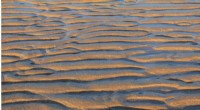
* Deserts: Arid regions with sparse vegetation. Examples: Hot deserts, cold deserts.
* Tundra: Cold, treeless regions with low-growing vegetation. Examples: Arctic tundra, alpine tundra.
2. Aquatic Ecosystems: These are water-based ecosystems.
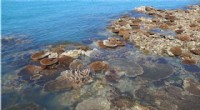
* Marine Ecosystems: Found in the ocean. Examples: Coral reefs, kelp forests, open ocean, estuaries.
* Freshwater Ecosystems: Found in bodies of freshwater. Examples: Lakes, rivers, wetlands, ponds.
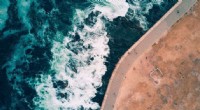
3. Coastal Ecosystems: These ecosystems are found in the transition zone between land and water.
* Beaches: Sandy shores along the coastline.
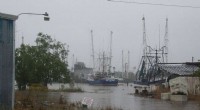
* Mangrove Swamps: Salt-tolerant trees growing in intertidal zones.
* Salt Marshes: Grasslands that flood with salt water at high tide.
4. Human-Modified Ecosystems: These are ecosystems that have been significantly altered by human activities.
* Urban Ecosystems: Cities and towns.
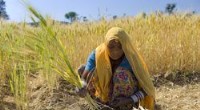
* Agricultural Ecosystems: Farms and ranches.
* Suburban Ecosystems: Areas with a mix of residential, commercial, and natural areas.
These are just a few examples, and ecosystems can be further categorized based on various factors such as climate, location, and dominant species. It's important to remember that ecosystems are complex and interconnected, and understanding their different types helps us appreciate their importance and learn how to protect them.