1. Physical Characteristics:
* Climate: Temperature, humidity, rainfall, and seasonal variations all influence which organisms can survive.
* Sunlight: Amount of sunlight reaching the habitat affects plant growth, which in turn impacts the food chain.
* Elevation: Higher elevations have lower temperatures, thinner air, and less oxygen.
* Water Availability: Habitats can be aquatic (water-based), terrestrial (land-based), or a mix.
* Soil Type: Soil composition, nutrient levels, and pH affect the types of plants that can grow, influencing the overall habitat.
* Topography: Features like mountains, valleys, and slopes create diverse microclimates and habitats.
2. Biological Factors:
* Biodiversity: The variety of species within a habitat.
* Food Webs: The interconnectedness of organisms through predator-prey relationships and nutrient cycling.
* Competition: Interactions between species for resources like food, space, and mates.
* Predation: The relationship between predator and prey, influencing population dynamics.
* Parasitism: Organisms that live on or within another organism, often causing harm.
3. Anthropogenic Factors:
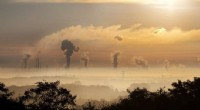
* Human Impacts: Pollution, deforestation, land-use changes, and introduced species can significantly alter habitats.
Examples of Habitat Differences:
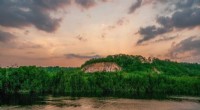
* Tropical Rainforest vs. Tundra: These habitats have vastly different climates, temperatures, rainfall, and plant and animal life.
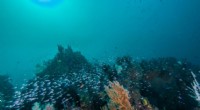
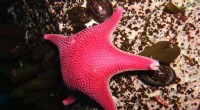
* Coral Reef vs. Deep Sea: These aquatic habitats have distinct water pressures, sunlight levels, and the types of organisms that thrive there.
* Forest vs. Grassland: These terrestrial habitats differ in vegetation structure, soil types, and the animals that live within them.
Understanding the Differences is Important:
Knowing how habitats differ is crucial for:
* Conservation efforts: Protecting specific habitats and their unique ecosystems.
* Ecological studies: Understanding the interactions between organisms and their environment.
* Environmental management: Making informed decisions about land use and resource management.
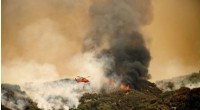
It's important to note: Habitats are dynamic and constantly changing. Natural events, human activities, and even the organisms within them can cause these changes.