Here's a breakdown:
* Biotic factors are the living components of an ecosystem, including:
* Plants: Producers that provide food and energy.
* Animals: Consumers that rely on other organisms for food.
* Fungi and bacteria: Decomposers that break down dead organisms and waste.
* Abiotic factors are the non-living components of an ecosystem, including:
* Sunlight: Provides energy for photosynthesis.
* Water: Essential for all living things.
* Temperature: Influences the types of organisms that can survive in an area.
* Soil: Provides nutrients and support for plants.
* Air: Provides oxygen for breathing and carbon dioxide for photosynthesis.
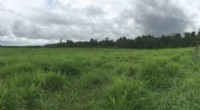
The interaction between biotic and abiotic factors creates a complex and dynamic system where everything is interconnected. For example, plants need sunlight and water to grow, animals rely on plants for food, and decomposers break down dead organisms to release nutrients back into the soil.
It's important to remember that an ecosystem is not just a collection of living and non-living things; it's the intricate web of relationships and interactions between them.