Abiotic factors:
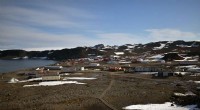
* Temperature: Different temperatures support different species. For example, tropical rainforests are hot and humid, while arctic tundra is cold and dry.
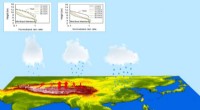
* Water availability: The amount and distribution of water impacts plant and animal life. Deserts have low rainfall, while swamps are saturated with water.
* Sunlight: The intensity and duration of sunlight influence plant growth and animal activity. Forests have a canopy blocking sunlight, while open fields receive direct sunlight.
* Soil type: The composition and structure of soil affect plant growth and the types of animals that can live there. For example, sandy soil is less fertile than clay soil.
* Elevation: Higher elevations have lower temperatures, less oxygen, and different plant life.
* Wind: Strong winds can influence plant growth and animal behavior.
* Salinity: The salt content of water affects aquatic organisms.
* pH: The acidity or alkalinity of soil and water influences which organisms can survive.
Biotic factors:
* Competition: Different species compete for resources like food, water, and space.
* Predation: The presence of predators influences prey populations and their habitats.
* Parasitism: Parasites can impact the health and abundance of their hosts.
* Disease: Infectious diseases can spread through populations and affect their habitats.
Other factors:
* Human activities: Land use, pollution, and climate change all impact habitats.
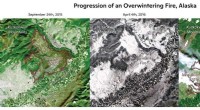
* Natural disasters: Wildfires, floods, and volcanic eruptions can alter habitats dramatically.
These factors often interact in complex ways to create a diverse array of habitats. Understanding these factors is crucial for conserving biodiversity and managing ecosystems.