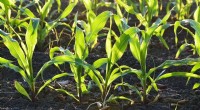
* Photosynthesis: Leaves are the main sites where plants convert sunlight into energy through photosynthesis. They contain chlorophyll, the pigment that absorbs sunlight, and other structures necessary for this process.
* Other functions: While photosynthesis is their primary function, leaves also play a role in:
* Transpiration: They release excess water vapor through tiny pores called stomata.
* Gas exchange: They take in carbon dioxide and release oxygen.
* Storage: Some leaves can store food or water.
Other ways to describe a leaf:
* A flat, thin, usually green appendage
* Attached to a stem
* Typically with a blade and a stalk called a petiole
* Varies greatly in shape, size, and structure depending on the plant species