Here are two common ways to categorize ecosystems:
1. By Biome: This categorizes ecosystems based on their climate and dominant plant life. Some examples include:
* Forests: Tropical rainforests, temperate deciduous forests, boreal forests
* Grasslands: Savannas, prairies, steppes
* Deserts: Hot and dry deserts, cold deserts
* Aquatic: Freshwater (lakes, rivers), Marine (oceans, coral reefs)
* Tundra: Arctic tundra, alpine tundra
2. By Habitat: This categorizes ecosystems based on their physical characteristics and the types of organisms they support. Some examples include:
* Wetlands: Swamps, marshes, bogs
* Rivers and Streams: Different types based on flow rate, water quality, and size
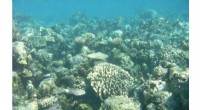
* Coral reefs: Tropical marine ecosystems with diverse life
* Mangrove forests: Coastal ecosystems with salt-tolerant trees
* Caves: Underground ecosystems with unique adaptations
It's important to remember that these are just broad categories, and there is a lot of variation within each type. There are also many ecosystems that don't fit neatly into any of these categories.
Therefore, rather than talking about just two kinds of ecosystems, it's more accurate to say there are many diverse and interconnected ecosystems on Earth, each with its own unique characteristics and importance.