The intricate relationship between natural vegetation and wildlife is a fundamental pillar of our planet's ecological balance. This complex tapestry weaves together the survival of countless species, influencing their habitats, food sources, and overall well-being.
Natural vegetation provides:
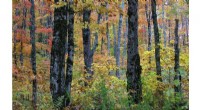
* Habitat: Forests, grasslands, wetlands, and deserts offer shelter, nesting sites, and breeding grounds for a multitude of animals.
* Food: Plants are the primary source of food for herbivores, who in turn support carnivores and omnivores in the food chain.
* Protection: Vegetation acts as a buffer against harsh weather conditions, predators, and other environmental threats.
* Soil stability: Roots help bind soil, preventing erosion and maintaining soil fertility.
* Water regulation: Vegetation plays a crucial role in regulating water cycles, contributing to groundwater recharge and reducing runoff.
Wildlife contributes to:
* Seed dispersal: Animals facilitate the spread of plant seeds through their droppings and fur, ensuring the growth of new plants.
* Pollination: Insects and birds play a vital role in pollinating flowers, allowing plants to reproduce.
* Nutrient cycling: Animal waste and decomposition contribute to nutrient cycling, enriching the soil and supporting plant growth.
* Ecosystem balance: Predators and prey maintain a delicate balance within ecosystems, preventing overgrazing and maintaining biodiversity.
However, the relationship between natural vegetation and wildlife faces numerous threats:
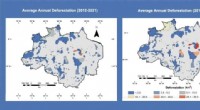
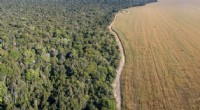
* Habitat loss and fragmentation: Deforestation, urbanization, and agricultural expansion destroy natural habitats, isolating populations and reducing biodiversity.
* Climate change: Shifting weather patterns, increased temperatures, and extreme events disrupt ecosystems and threaten the survival of many species.
* Pollution: Air, water, and soil pollution contaminate habitats, endangering wildlife and disrupting plant life.
* Invasive species: Introduced species can outcompete native plants and animals, disrupting food webs and altering ecosystems.
Protecting natural vegetation and wildlife is crucial for preserving our planet's biodiversity, ecosystem services, and the well-being of future generations. We must prioritize conservation efforts, sustainable land management practices, and combat climate change to ensure the continued existence of this intricate and essential relationship.