Microhabitat
* Definition: A very small, specific habitat within a larger ecosystem. It's a localized area with unique environmental conditions that support a distinct community of organisms.
* Scale: Tiny, often measured in centimeters to meters.
* Examples:
* The underside of a rock, where moisture and shade create a cool environment for small invertebrates.
* A rotting log, providing habitat for decomposers and insects.
* The space between plant leaves, offering a unique microclimate for small spiders and insects.
* Key Features:
* Localized conditions: Microhabitats have specific temperature, humidity, light, and soil conditions.
* Specialized organisms: The unique conditions of a microhabitat often support unique species that are adapted to those specific circumstances.
Biome
* Definition: A large-scale community of plants and animals that are adapted to a particular climate and geographic region.
* Scale: Vast, covering large areas of the planet.
* Examples:
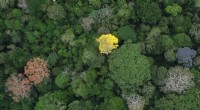
* Tropical rainforest
* Temperate deciduous forest
* Desert
* Tundra
* Savanna
* Key Features:
* Climate: Defined by average temperature, rainfall, and other climate patterns.
* Dominant vegetation: Each biome has characteristic plant types that are adapted to the climate.
* Broad range of species: Biomes support a wide variety of organisms, often including many distinct ecosystems within them.
Think of it this way:
* A microhabitat is like a small apartment within a larger city. It has its own unique characteristics, but it's still part of the city's overall ecosystem.
* A biome is like the entire city itself, with its own unique climate and general characteristics. It encompasses many different neighborhoods (ecosystems) and apartments (microhabitats).
In Summary
* Microhabitats are small, specific habitats within a larger ecosystem.
* Biomes are large-scale ecosystems defined by climate and dominant vegetation.
Microhabitats are nested within biomes, meaning they exist as smaller, specific environments within a larger geographic area.