Here's a breakdown:
* Matter: Anything that has mass and takes up space.
* Chemical and Physical Changes: These are processes that alter the form or appearance of matter, but not its fundamental composition.
Let's look at an example:
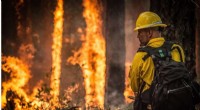
Imagine burning a piece of wood. The wood changes into ash, smoke, and gases. It seems like the wood has disappeared. However, the law of conservation of mass tells us that the total mass of the wood before burning is equal to the total mass of the ash, smoke, and gases after burning. The matter has simply been transformed into different forms.
Important Note: The law of conservation of mass applies to ordinary chemical and physical changes. It does not apply to nuclear reactions, where mass can be converted into energy and vice versa (as described by Einstein's famous equation E=mc²).