Transforming Landscapes:
* Construction: Building cities, roads, bridges, tunnels, dams, and other infrastructure alters the natural landscape. This includes mining for resources, creating artificial waterways, and shaping the terrain.
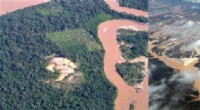
* Agriculture: Converting land for farming, raising livestock, and cultivating crops dramatically changes the landscape. This includes deforestation, irrigation, and the use of fertilizers and pesticides.
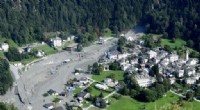
* Urbanization: The growth of cities and suburbs replaces natural ecosystems with concrete, asphalt, and buildings. This impacts wildlife habitat, water runoff, and even the local climate.
Modifying Natural Resources:
* Mining: Extracting minerals, fuels, and precious metals alters the earth's surface, often leaving behind environmental damage.
* Drilling: Extracting oil, gas, and geothermal energy requires drilling into the earth, which can impact groundwater resources and cause seismic activity.
* Fishing: Overfishing can deplete fish stocks and disrupt the delicate balance of marine ecosystems.
Manipulating Materials:
* Manufacturing: Transforming raw materials into products, from vehicles to textiles to electronics, creates new materials and alters the physical world.
* Technology: Advances in materials science, nanotechnology, and biotechnology allow us to create new substances and manipulate matter at the atomic level.
* Bioengineering: Genetic engineering, synthetic biology, and other technologies enable us to modify organisms and even create entirely new life forms.
Impacting the Environment:
* Pollution: Air, water, and soil pollution are significant consequences of human activity. This includes emissions from factories, vehicles, and agriculture.
* Climate Change: Greenhouse gas emissions from burning fossil fuels and other human activities are warming the planet, melting glaciers, and raising sea levels.
* Deforestation: The clearing of forests for logging, agriculture, and urbanization destroys habitats, reduces biodiversity, and contributes to climate change.
Positive and Negative Impacts:
It's crucial to acknowledge that shaping the physical world has both positive and negative impacts. While humans have created incredible advancements in technology and improved our lives, our actions have also led to significant environmental damage.
The Need for Sustainable Practices:
Recognizing this duality, there is a growing awareness of the need for sustainable practices. This includes:
* Conservation: Protecting natural resources, reducing waste, and using renewable energy sources.
* Restoration: Remediating damaged ecosystems and returning land to its natural state.
* Responsible Innovation: Developing technologies that are environmentally friendly and minimize their impact on the planet.
Ultimately, the way we shape the physical world has profound implications for our future. By being mindful of our actions, embracing sustainability, and prioritizing responsible innovation, we can ensure a healthier and more balanced relationship with our planet.