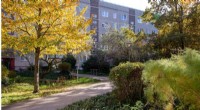
* Light Absorption Varies: Different surfaces absorb different wavelengths of light. For example, green grass reflects green light (that's why it looks green) and absorbs other wavelengths. Darker surfaces generally absorb more light than lighter surfaces.
* Factors Beyond Surface: The amount of light absorbed depends on many factors:
* Time of Day: Sunlight intensity changes throughout the day.
* Season: The amount of plant cover, leaf density, and even soil moisture can change seasonally.
* Angle of the Sun: Light hits surfaces differently at different angles.
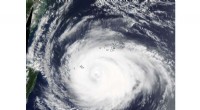
* Cloud Cover: Clouds can significantly affect light reaching the surface.
* Other High-Absorption Surfaces: While grassy land absorbs a decent amount of light, there are other surfaces that might absorb more. For example:
* Dark Pavement/Asphalt: Darker materials absorb more light than lighter ones.
* Forests: Dense forests have a lot of surface area for light absorption, especially with the leaves of trees.
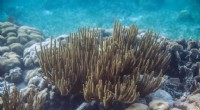
* Water: Depending on the depth and clarity, water can absorb a lot of light.
In short, it's difficult to say definitively that grassy land has the highest light absorption. It depends on the specific conditions and comparisons being made.