The Traditional Idea:
* Everything has a place: The idea is that every species plays a vital role in maintaining the natural order. Predators control prey populations, plants provide food and oxygen, and so on. This creates a stable and harmonious system.
* Equilibrium is key: The balance of nature suggests that ecosystems are always striving for a steady state, where populations remain relatively constant. Disturbances are seen as temporary disruptions that eventually lead back to equilibrium.
* Humans as disruptors: Humans are often seen as the primary force that disrupts the balance of nature through activities like pollution, deforestation, and overhunting.
Why it's Not Entirely Accurate:
* Ecosystems are dynamic, not static: Ecosystems are constantly changing, adapting, and evolving. They are not fixed points of equilibrium.
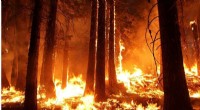
* Disturbances are essential: Natural events like fires, floods, and droughts can be disruptive, but they also play a crucial role in shaping ecosystems and maintaining biodiversity.
* No single "balance": There isn't one single, perfect balance for an ecosystem. Conditions can fluctuate, and what is considered balanced at one time might not be later.
* Human impact is complex: Human activities can have both positive and negative impacts on ecosystems, and these impacts vary greatly depending on the specific activity and location.
A More Accurate View:
* Ecosystems are interconnected and complex: All living things are part of intricate webs of relationships, and changes in one part of the system can have far-reaching effects.
* Resilience is key: Ecosystems are capable of adapting to changes and disturbances. The ability of an ecosystem to bounce back from change is known as resilience.
* Humans are part of the ecosystem: We are not separate from nature, and our actions have a significant impact on the environment. We have a responsibility to understand and manage our impact in ways that promote sustainability.
In short, the "balance of nature" is a useful concept for understanding how ecosystems function, but it shouldn't be taken as a literal or simplistic view of how ecosystems work. It's more accurate to think of ecosystems as complex, dynamic systems that are constantly evolving and adapting.