Shaping Landscapes:
* Erosion and Deposition: Wind carries loose particles of sand, soil, and rock, eroding and reshaping the land. This process creates diverse landforms like sand dunes, canyons, and loess deposits.
* Mountain Formation: Wind plays a crucial role in weathering mountains, sculpting their peaks and valleys.
* Coastal Changes: Coastal erosion and the formation of sandbars and spits are significantly influenced by wind patterns and strength.
Ecosystem Impacts:
* Seed Dispersal: Wind is a major agent for seed dispersal, allowing plants to colonize new areas and create diverse plant communities.
* Pollination: Wind carries pollen, facilitating the fertilization of plants, particularly in areas with low insect populations.
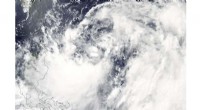
* Weather Patterns: Wind drives weather systems, influencing rainfall, temperature, and cloud formation.
* Fire Spread: Wind can dramatically increase the spread of wildfires, leading to devastating consequences for ecosystems.
* Ocean Currents: Wind drives surface currents, which influence marine ecosystems and the distribution of nutrients and organisms.
Effects on Living Organisms:
* Plant Adaptations: Plants have evolved various adaptations to cope with strong winds, such as strong root systems, flexible stems, and reduced leaf size.
* Animal Adaptations: Animals have developed strategies to navigate windy conditions, including streamlined bodies, strong claws, and the ability to seek shelter.
* Migration Patterns: Wind patterns influence the migration routes of birds and other animals, providing favorable conditions for long-distance travel.
* Wind Energy: Wind is a renewable source of energy, harnessing its power to generate electricity.
Other Effects:
* Climate Change: Wind patterns are being altered by climate change, leading to shifts in weather patterns and potential changes in ecosystems.
* Air Pollution: Wind can carry air pollutants long distances, affecting air quality and human health.
In conclusion, wind is a dynamic and essential force in nature, shaping landscapes, influencing ecosystems, and impacting life in profound ways. Understanding its effects is crucial for appreciating the interconnectedness of the natural world and for addressing environmental challenges such as climate change.