Here are some examples of physical properties:
* Color: The appearance of the substance, such as blue, red, green, etc.
* Shape: The form of the substance, such as round, square, or irregular.
* Size: The dimensions of the substance, such as length, width, and height.
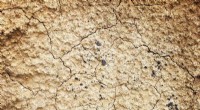
* Texture: The feel of the substance, such as smooth, rough, or bumpy.
* Density: The mass of a substance per unit volume.
* Melting point: The temperature at which a solid substance changes into a liquid.
* Boiling point: The temperature at which a liquid substance changes into a gas.
* Luster: The way a substance reflects light, such as shiny, dull, or metallic.
* Odor: The smell of the substance.
Key difference:
* Physical properties can be observed without changing the chemical composition of the matter. You can observe the color of a piece of paper without changing it chemically.
* Chemical properties, on the other hand, describe how a substance reacts with other substances. To observe chemical properties, you need to change the chemical composition of the matter. For example, the flammability of wood is a chemical property because you need to burn the wood to observe it.