1. Erosion:
* Weathering: Gravity aids in breaking down rocks and soil through processes like freezing/thawing, chemical weathering, and biological activity.
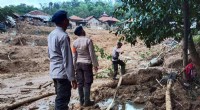
* Mass Wasting: Gravity pulls loose material downhill, leading to landslides, rockfalls, and soil creep. These processes can dramatically reshape slopes, create valleys, and transport sediments.
* River Erosion: Gravity drives the flow of water in rivers, causing them to carve out valleys, create canyons, and transport sediments downstream.
2. Tectonic Processes:
* Plate Tectonics: Gravity is the driving force behind plate movement, leading to the formation of mountains, volcanoes, and ocean trenches.
* Faulting and Folding: Gravity can cause rock layers to break and fold, creating features like mountains, valleys, and cliffs.
3. Glaciers and Ice Sheets:
* Glacial Erosion: Gravity pulls glaciers down slopes, causing them to carve out valleys, create U-shaped valleys, and transport sediments.
* Glacial Deposition: When glaciers melt, they deposit sediments, forming moraines, outwash plains, and other landforms.
4. Wind Erosion:
* Wind-blown Sand: Gravity aids in the transportation of sand by wind, creating dunes, sandstorms, and other wind-shaped landforms.
5. Other Processes:
* Volcanic Eruptions: Gravity can influence the flow of lava, creating lava flows, volcanic domes, and other volcanic features.
* Sinkholes: Gravity can cause the collapse of underground caverns, creating sinkholes.
Examples of Gravity's Impact on Landscape:
* Grand Canyon: The Colorado River carved out the Grand Canyon over millions of years, driven by gravity.
* Himalayan Mountains: The collision of tectonic plates driven by gravity led to the uplift of the Himalayas.
* Glacial Valleys: Glaciers carved out U-shaped valleys like Yosemite Valley in California.
* Sand Dunes: Wind-blown sand, aided by gravity, forms dunes in deserts.
Conclusion:
Gravity is a fundamental force that shapes the Earth's landscape. It drives erosion, tectonic processes, glacial movement, and other forces that constantly reshape our planet, creating the diverse and beautiful landscapes we see today.