By Scale:
* Macro: Large-scale features like mountains, oceans, planets, galaxies.
* Meso: Mid-sized things like trees, rocks, rivers, clouds.
* Micro: Microscopic organisms, cells, molecules, atoms.
By Material:
* Organic: Living things like plants, animals, fungi, bacteria.
* Inorganic: Non-living things like rocks, water, air, minerals.
By Function/Role:
* Producers: Plants that convert sunlight into energy.
* Consumers: Animals that eat other organisms.
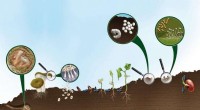
* Decomposers: Bacteria and fungi that break down dead organisms.
* Habitat features: Elements that provide shelter, food, or breeding grounds for organisms.
By Type:
* Flora: Plants of all kinds.
* Fauna: Animals of all kinds.
* Geological: Rocks, minerals, landforms.
* Atmospheric: Air, clouds, weather phenomena.
* Hydrological: Water, rivers, lakes, oceans.
Beyond the Basics:
* Ecosystems: Interconnected communities of living organisms and their environment.
* Biomes: Large-scale ecosystems like forests, deserts, and oceans.
Examples of Objects in Nature:
* Mountains: Massive landforms formed by tectonic activity.
* Oceans: Vast bodies of saltwater covering most of the Earth's surface.
* Trees: Tall, woody plants with leaves.
* Rocks: Solid materials composed of minerals.
* Rivers: Flowing bodies of water.
* Birds: Feathered animals that can fly.
* Fish: Aquatic animals with fins and gills.
* Flowers: Reproductive parts of flowering plants.
* Stars: Giant balls of burning gas in space.
This is just a start! There are countless objects in nature, and the more we learn, the more we discover about the interconnectedness and complexity of our world.