Here are some ways energy and matter are transferred in nature:
Energy Transfers:
* Solar Radiation: The sun is the primary source of energy for Earth. It transfers energy through electromagnetic radiation, providing light and heat to the planet. This energy powers photosynthesis in plants, drives the water cycle, and influences weather patterns.
* Photosynthesis: Plants convert sunlight into chemical energy stored in organic molecules (sugars) through photosynthesis. This energy is then transferred to other organisms through the food chain.
* Respiration: All living organisms release energy from food through cellular respiration, converting it into usable forms like ATP. This process releases heat into the environment.
* Conduction: Heat transfer occurs directly through contact between molecules, for example, when the ground warms the air above it.
* Convection: Heat transfer through the movement of fluids (liquids or gases), like the rising of warm air or water currents.
* Radiation: Heat transfer through electromagnetic waves, like the sun's heat reaching Earth.
* Gravity: Gravity pulls objects towards each other, influencing the movement of water in the water cycle, the formation of stars, and the dynamics of galaxies.
Matter Transfers:
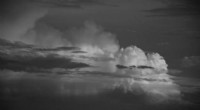
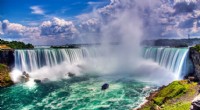
* The Water Cycle: Water evaporates from the surface, condenses into clouds, and falls back to Earth as precipitation. This cycle involves the movement of water through the atmosphere, oceans, and land.
* The Carbon Cycle: Carbon atoms circulate through the Earth's systems, moving from the atmosphere to plants through photosynthesis, then to animals through consumption, and back to the atmosphere through respiration and decomposition.
* The Nitrogen Cycle: Nitrogen, essential for life, cycles through the environment. It's fixed from the atmosphere by bacteria, incorporated into plants, consumed by animals, and released back into the atmosphere through decomposition.
* Nutrient Cycles: Other essential nutrients, such as phosphorus and sulfur, cycle through the environment, moving between different compartments like rocks, soil, water, and organisms.
* Geological Processes: Earth's tectonic plates move, causing earthquakes, volcanic eruptions, and mountain formation. These processes release heat and matter from the Earth's interior, shaping the planet's surface.
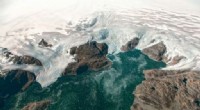
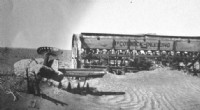
* Weathering and Erosion: The breakdown of rocks and soil by physical and chemical processes, and their transport by wind, water, and ice, move matter across the landscape.
Examples:
* A bird eating a seed: This transfers matter (the seed) and energy (stored in the seed) from the plant to the bird.
* A tree absorbing sunlight and water: This transfers energy (light) and matter (water) from the environment to the tree, enabling it to grow.
* A volcano erupting: This releases heat and matter (lava, ash) from the Earth's interior into the atmosphere.
These are just a few examples of the complex and interconnected ways energy and matter are constantly being transferred within and between Earth's systems. Understanding these processes is crucial for appreciating the dynamic nature of our planet and its interconnectedness.